
The Hidden Education Crisis for Refugee Children with Disabilities
In refugee settlements across Uganda and the wider region, education is often described as a lifeline a pathway to dignity, stability, and hope. Yet for refugee children who are Deaf or hard of hearing, visually impaired, or living with other disabilities, that lifeline is fragile, inconsistent, and in many cases, quietly disappearing.
Behind the statistics are real children curious, capable, and eager to learn whose daily experience of education is defined not by opportunity, but by exclusion.
A Daily Struggle for Access
For a child who is Deaf, a classroom without a trained teacher in sign language is not a place of learning it is a place of silence. Lessons move on, instructions are missed, and participation becomes nearly impossible. Similarly, a child with visual impairment placed in a classroom without braille materials, assistive devices, or adapted teaching methods is left to navigate learning in darkness.
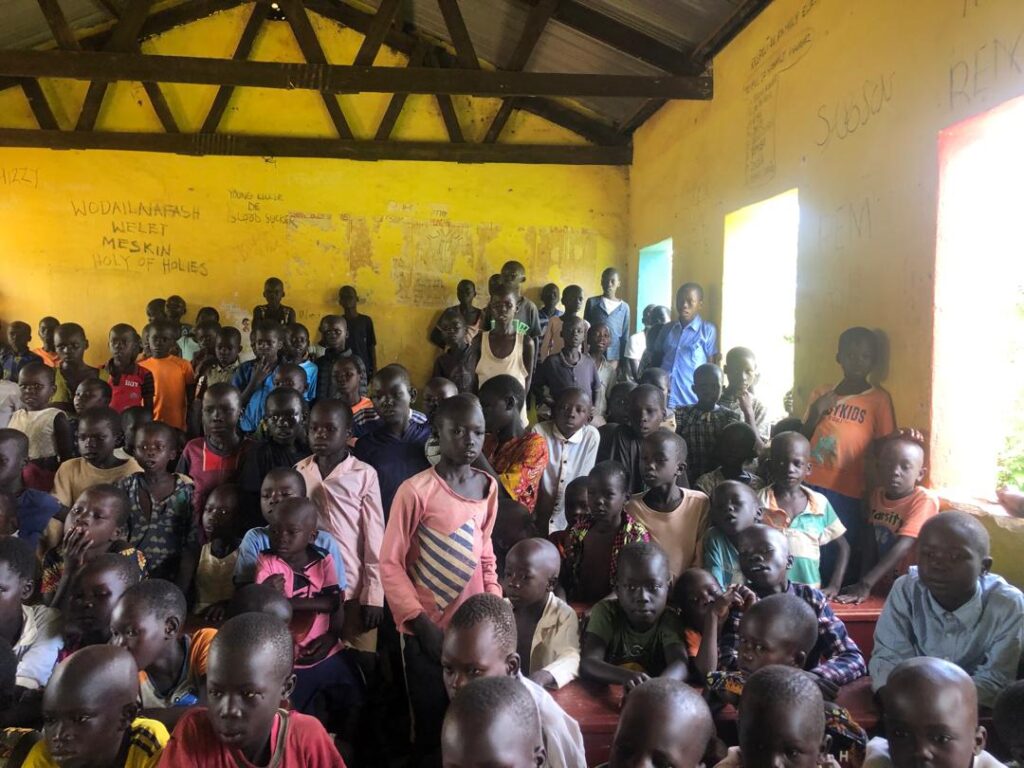
In many refugee settlement schools, teachers are overstretched and under-resourced. Most have not received training in inclusive education. As a result, children with disabilities are often physically present in classrooms but effectively excluded from meaningful learning. They copy what is written on the board, not because they understand it, but because it is the only way to appear engaged.
This is not education. It is survival within a system that was never designed for them.
The Sudden Withdrawal of Support
For some families, there was once a glimmer of hope. Education partners had stepped in providing scholarships, placing children in better-equipped schools, and ensuring access to trained teachers and specialized support.
But as of Decemzber last year, following the third term holidays, that hope began to unravel. Without warning, communication, or transition planning, many of these support programs ceased. Children who had been enrolled in inclusive learning environments simply did not return. Parents waited days, then weeks expecting transport or communication from the supporting organizations. None came.
What followed was confusion, frustration, and deep emotional distress.
Families were left in limbo, unsure whether support had ended permanently or if delays were temporary. Children, who had once experienced structured learning and support, found themselves back at home watching their peers return to school while their own future remained uncertain.
Emotional and Psychological Toll
The impact extends far beyond missed lessons. For children, the abrupt disruption brings feelings of abandonment, loss, and diminished self-worth. They begin to question their place in the education system and, more painfully, their value within society. For children already navigating the complexities of disability and displacement, this additional layer of uncertainty can be overwhelming.
Parents, on the other hand, carry a different burden. Many feel powerless unable to provide the specialized support their children need, yet expected to fill the gap left behind. The stress of not knowing what went wrong, combined with the fear of a lost future for their child, creates immense psychological strain. In households already facing economic hardship, this uncertainty deepens vulnerability.
Falling Back into Inequality
With no clear alternatives, some families have enrolled their children in nearby settlement schools. While this decision reflects resilience, it also highlights systemic gaps.
Most of these schools lack trained teachers in inclusive education. There are no sign language interpreters, no braille resources, no tailored learning approaches. Children sit in classrooms where teaching continues as usual fast-paced, standardized, and inaccessible.
They copy from the board. They sit quietly. They fall behind. Over time, many of these children disengage entirely, increasing the risk of long-term dropout and exclusion.
A Call for Accountability and Inclusion
This situation is not simply a gap in service delivery it is a failure of continuity, communication, and commitment to inclusive education.
If education partners must phase out support, it should never happen in silence. Families deserve clear communication, transition plans, and guidance on alternative options. Children deserve stability, not disruption.
At a broader level, inclusive education must move beyond pilot programs and short-term interventions. It must be embedded within the education system in refugee settings through:
- Training teachers in inclusive and special needs education
- Providing assistive learning materials and technologies
- Strengthening community-based support systems
- Ensuring continuity of support for the most vulnerable learners
Restoring Hope
Every child, regardless of ability or circumstance, has the right to learn in an environment that recognizes and supports their needs.
Refugee children with disabilities are not asking for special treatment they are asking for equal opportunity.
What they need is not temporary support, but sustained commitment.
What they deserve is not silence, but inclusion.
And what must happen now is simple: we must listen, respond, and act before another generation is left behind.

One Response
This is so touching and painful to see partners abandoning the children without informing them